

Influencer Marketing has become one of the most powerful tools in the digital world. In simple terms, it is a strategy where brands collaborate with individuals who have a strong online presence to promote their products or services. These individuals, called influencers, have a loyal audience that trusts their opinions and recommendations. As we enter 2026, What Is Influencer Marketing is not just a trend – it is a key part of every smart digital marketing plan.
The reason behind the success of Influencer Marketing is trust. People today prefer real and relatable voices over traditional ads. Whether it’s a beauty blogger reviewing a new product or a tech YouTuber showcasing the latest gadget, audiences believe in influencers because they share genuine experiences. This personal connection helps brands reach their customers in a more authentic way, leading to better engagement and sales.
In 2026, Influencer Marketing is evolving with new technologies like AI, virtual influencers, and social commerce. Platforms like Instagram, TikTok, and YouTube remain the most popular for influencer campaigns, but new spaces such as LinkedIn and AR-based platforms are also growing.
This guide will help you understand everything about Influencer Marketing – what it is, how it works, the benefits, and how to create a winning strategy. Whether you are a small business owner or a marketer, learning Influencer Marketing can give your brand a competitive edge.
What Is an Influencer?
In simple terms, what is an influencer? An influencer is someone who has the power to affect the purchasing decisions of others due to their authority, knowledge, position, or relationship with their audience. These individuals typically operate on social media platforms such as Instagram, YouTube, Twitter, and TikTok, where they engage followers through relatable content, authentic communication, and consistent branding.
The rise of influencer marketing has transformed how brands reach their target audiences. Instead of traditional ads, brands now rely on influencers who speak directly to niche markets. Whether it’s promoting fashion, beauty, tech gadgets, or lifestyle trends, influencers create a personal connection with their followers that paid ads often lack.
Understanding what is an influencer is essential for businesses aiming to build trust and connect meaningfully with customers. It’s not just about having a large number of followers—it’s about engagement, relevance, and credibility. Today’s successful influencers provide value, create communities, and influence opinions with transparency and passion. As digital consumption grows, so does the power and presence of influencers in the online ecosystem.
The Role of Influencers in Today’s Digital World
The role of influencers in today’s digital world is more impactful than ever. In a time when consumers are overloaded with advertisements and content, influencers help cut through the noise by providing recommendations that feel personal and trustworthy. They bridge the gap between brands and their audiences by creating relatable stories, tutorials, and reviews that align with their follower’s interests.
From brand awareness to product launches, the role of influencers spans across various stages of the buyer’s journey. Influencers bring authenticity to marketing campaigns by showing how products or services fit into real-life scenarios. This real-world application enhances credibility and increases conversion rates, especially among Gen Z and Millennials who value transparency.
Influencers also help shape trends, drive conversations, and create demand across platforms like Instagram, YouTube, and LinkedIn. They’re no longer just social media stars—they’re thought leaders, niche experts, and powerful voices in digital spaces. Whether it’s fitness, fashion, finance, or food, every industry now sees influencers as key players in strategic marketing.
The role of influencers continues to evolve, making them an integral part of digital storytelling and brand positioning in today’s ever-changing marketing landscape.

How Influencers Build Trust and Authority
One of the most powerful advantages of influencer marketing is how influencers build trust with their audience. Trust doesn’t happen overnight; it is the result of consistent, honest, and value-driven content. Influencers share their lives, opinions, and experiences with a community that grows to rely on their judgment over time.
To build trust, influencers focus on authenticity. They show behind-the-scenes moments, review products honestly, and engage with their followers regularly. Unlike celebrities, influencers appear more relatable and accessible, which makes their recommendations feel genuine. Whether it’s a skincare routine or tech product unboxing, when influencers build trust, their followers listen—and act.
Authority is earned when influencers stay consistent in a niche. Whether it’s fitness, travel, beauty, or digital marketing, those who deliver quality insights and real results become thought leaders. Brands prefer working with such influencers because they bring both reach and credibility.
As consumers become more selective, influencer trust is now more important than ever. If followers sense inauthenticity or sponsored overload, engagement drops. That’s why sustainable growth for influencers is built on value, integrity, and two-way communication. In the digital age, the way influencers build trust is what truly sets them apart.
Different Types of Influencers (Content Creators, Bloggers, Social Media Stars)
There are various types of influencers, each playing a unique role in the digital ecosystem. Broadly, influencers can be categorized based on content style, platform, and audience size. Knowing the types of influencers helps brands choose the right partner for their marketing goals.
- Content Creators – These influencers are known for their high-quality visuals, videos, or written content. They typically produce YouTube videos, Instagram Reels, or even branded podcasts. Their creativity and storytelling ability make them valuable for product showcases and tutorials.
- Bloggers – Bloggers maintain websites where they write detailed articles or reviews on specific niches such as travel, food, parenting, or fashion. They are ideal for SEO-driven campaigns, backlinks, and long-form brand content.
- Social Media Stars – These influencers rise to fame primarily through platforms like TikTok, Instagram, or Twitter. They often have strong follower engagement and viral reach. Their content is fast-paced, trend-driven, and ideal for real-time marketing efforts.
Each of these types of influencers connects with their audience differently. While some focus on aesthetics, others build communities through education or humor. Brands benefit most when they collaborate with the influencer type that aligns with their message and target audience.
Related Blog:- Why Digital Marketing is the Best Career in 2025
The Process of Creating and Promoting Content
Influencers are more than just faces on social media — they are strategic content creators. The journey begins with understanding their audience. Influencers study what their followers engage with the most—be it fashion, fitness, tech, food, or lifestyle. Based on these insights, they create content that resonates emotionally and adds value.
Once the content is planned, influencers use tools like high-quality cameras, editing software, and social media platforms to bring their vision to life. Whether it’s a reel on Instagram, a vlog on YouTube, or a carousel on LinkedIn, each piece is carefully curated.
Promotion doesn’t end at publishing. Influencers schedule posts for maximum reach, use relevant hashtags, engage with comments, and often collaborate with others for cross-promotion. This consistent and well-thought-out process helps them maintain visibility and grow their digital presence over time.
By staying authentic and relatable, influencers ensure that their content isn’t just seen — it’s trusted. That trust is what makes influencer marketing such a powerful tool in the digital marketing world.
Collaborations with Brands – From Sponsorships to Affiliate Marketing

One of the key ways influencers operate is through collaborations with brands. These collaborations come in various forms such as sponsored posts, product reviews, giveaways, event promotions, and affiliate marketing.
In a typical sponsorship, brands pay influencers to create content featuring their product or service. The goal is to increase brand awareness and drive engagement or sales. These partnerships are often formalized through contracts that define timelines, deliverables, and compensation.
Affiliate marketing is another popular model. Here, influencers share a unique referral link or code, and earn a commission for every purchase made through it. This performance-based model benefits both the brand and the influencer, making it a win-win approach.
Long-term collaborations build stronger relationships between the influencer and the brand. These campaigns are more impactful because audiences recognize ongoing trust. Influencers who consistently work with a brand can weave it naturally into their content, which improves authenticity and drives better results.
Whether it’s a product placement or a dedicated campaign, brand collaborations remain a major part of an influencer’s work and revenue stream.
Related Blog:- Skill Development Courses After 12th for a Bright Future
How Influencers Earn Money and Build Their Personal Brand
Influencers today are digital entrepreneurs. They don’t just promote products; they build entire ecosystems around their personal brands. Monetization starts with social media, where they get paid through sponsored content, affiliate marketing, or platform-specific rewards like YouTube AdSense or Instagram bonuses.
Beyond that, many influencers expand their income streams. Some launch their own products, like merchandise or digital courses. Others may offer consultancy services, paid webinars, or write eBooks based on their niche expertise.
Building a personal brand is essential for long-term success. Influencers invest in professional branding — from logo design and color palette to voice and tone consistency. They engage with their followers regularly, respond to DMs, host live sessions, and even share behind-the-scenes content to build deeper connections.
Trust and relatability are at the core of their brand. When followers see influencers as real and reliable, their influence grows — and so does their income potential. This is why many influencers carefully curate their public image and consistently deliver value to their audiences.
Why Consumers Trust Influencers Over Traditional Ads

In today’s digital space, trust drives buying decisions more than flashy advertisements. Consumers are increasingly turning to influencers because they offer something traditional ads often lack — authenticity.
Influencers build trust by consistently sharing real experiences, honest reviews, and behind-the-scenes content that feels personal. Their audience sees them as relatable figures, not paid spokespeople. This sense of relatability creates a stronger emotional connection than a polished TV commercial or banner ad ever could.
Unlike traditional advertising, influencer content is often rooted in daily life. Whether it’s showing how a skincare product fits into their morning routine or unboxing a gadget they’ve genuinely been excited about, the delivery feels natural. This transparent approach makes followers more likely to trust their recommendations.
Another reason influencers gain more trust is engagement. They actively reply to comments, address doubts, and give personal insights — which traditional ads can’t do. This interaction builds a community that relies on the influencer’s opinions, creating a loyal customer base for the brands they represent.
As advertising fatigue grows, influencers offer a solution that feels more human and less forced — and that’s exactly why consumers are choosing them over traditional methods.
The Shift from Celebrities to Everyday Content Creators
There’s a noticeable shift in digital branding: from big-name celebrities to everyday content creators. While celebrities still have reach, today’s audiences are more influenced by micro and mid-tier creators who feel like “one of us.”
Everyday content creators connect with niche communities and speak in an authentic tone. Their lifestyle is often more relatable than that of a celebrity, which makes their product recommendations feel more realistic and achievable. A food blogger showing how they use a kitchen appliance in a small apartment kitchen will likely inspire more action than a celebrity chef in a high-end studio.
These creators also tend to have higher engagement rates. Their followers aren’t just fans — they’re part of a loyal community that values their opinions. This makes them powerful partners for brands looking to build real relationships with their target audience.
Additionally, working with everyday influencers is often more cost-effective for brands, and campaigns can be scaled across multiple creators for broader reach.
As authenticity becomes the new currency in digital marketing, the shift from celebrities to everyday creators is not just a trend — it’s the future of how brands will build trust and drive results online.
What Is Influencer Marketing and Why Does It Matter in 2026?
Influencer marketing is a strategy where brands collaborate with individuals who have a strong online presence to promote their products or services. These individuals, known as influencers, have built trust and credibility within specific niches—whether it’s fashion, fitness, travel, or tech. In 2026, influencer marketing has grown beyond a marketing tactic; it’s now a key pillar in digital brand strategy.
As traditional ads become easier to skip and ignore, people are turning to real opinions from trusted voices online. That’s where influencers come in. Their recommendations feel authentic because they share personal experiences, making their followers more likely to trust and try what they promote.
What’s changed in 2026 is how data-driven and strategic influencer marketing has become. Businesses now use advanced tools to find the right influencers, track campaign performance, and measure returns with high precision. The rise of nano and micro-influencers—those with smaller but highly engaged followings—has made campaigns more affordable and targeted.
Influencer marketing matters more than ever because it taps into community trust, storytelling, and engagement in ways traditional marketing simply can’t. It helps brands humanize their message, drive conversions, and stay relevant in an online world that values authenticity over perfection.
How Influencer Marketing Works for Brands and Businesses
Influencer marketing in 2026 is no longer just a trend — it’s a core part of how businesses build relationships with modern consumers. At its heart, influencer marketing is a collaboration between a brand and an individual who has built a loyal following in a specific niche. This follower base trusts the influencer’s opinions, making them a valuable channel for brand promotion.
For brands and businesses, the process typically starts with identifying the right influencer — someone whose audience aligns closely with their target customers. This doesn’t always mean choosing someone with millions of followers. In fact, micro-influencers with smaller but highly engaged communities often deliver better results through authentic, personal content.
Once the partnership is set, the influencer integrates the brand’s message into their regular content — such as videos, posts, reels, or stories. The key is subtlety. Instead of traditional hard-sell ads, influencers share experiences, reviews, or behind-the-scenes looks, which feel more genuine to the audience.
What sets influencer marketing apart is engagement. It’s not just about reaching people; it’s about influencing their decisions in a credible way. With detailed tracking tools available today, brands can measure engagement, conversions, and ROI effectively.
In 2026, this strategy matters because it bridges the trust gap that traditional advertising often struggles to overcome. Influencers offer a voice that feels real — and in the digital branding landscape, authenticity wins attention.
Types of Influencer Marketing Campaigns
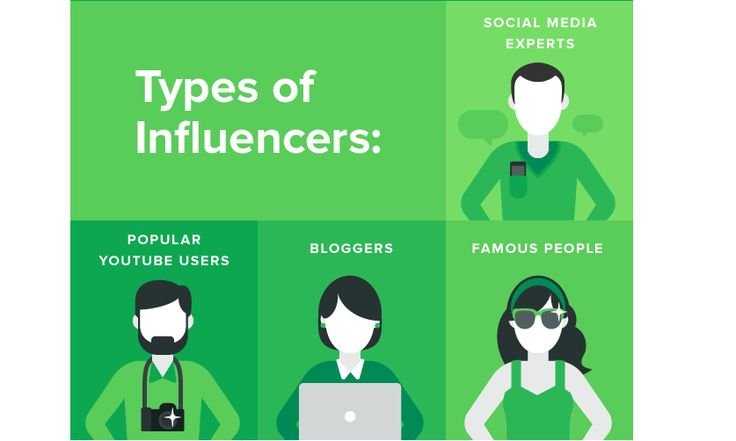
Influencer marketing campaigns in 2026 have evolved into a wide range of creative and strategic formats. Brands no longer rely on just one method—they mix various campaign types to get better reach, engagement, and ROI. Below are some of the most popular and effective types of influencer marketing campaigns used by businesses today:
Sponsored Posts and Brand Collaborations
Sponsored posts are among the most common types of influencer marketing campaigns. In this format, a brand pays an influencer to create and share content that features its product or service. These posts may include an Instagram story, YouTube video, blog article, or TikTok reel, depending on the influencer’s platform.
What makes sponsored posts effective is the influencer’s storytelling ability. Rather than a hard sales pitch, the product is woven into the influencer’s everyday life, making it feel more natural and relatable. In 2026, successful collaborations are built on authenticity—brands work closely with influencers to co-create content that aligns with both the brand’s goals and the influencer’s voice.
Long-term partnerships have also gained popularity over one-off posts. These extended collaborations foster trust with the audience and reinforce the brand message over time.
Product Reviews and Unboxing Videos
Product reviews and unboxing videos are powerful because they give potential buyers a detailed and honest look at what to expect. Influencers film themselves opening, using, and reviewing a product, often sharing first impressions, pros and cons, and whether it’s worth the price.
This type of campaign is especially popular in industries like tech, beauty, fashion, and lifestyle. In 2026, audiences prefer real reactions over polished ads. Influencers who give thorough and unbiased reviews tend to gain more credibility, which benefits the brand through organic trust and engagement.
For brands, sending out PR packages for unboxing also creates buzz. The more visually appealing and exciting the packaging, the more likely it is to go viral or be reshared by followers.
Giveaways, Challenges, and User-Generated Content
Giveaways and challenges are fantastic for creating a viral loop of engagement. In a typical giveaway, influencers ask followers to like, comment, tag friends, or share the post for a chance to win a product. This quickly spreads brand visibility and brings in new potential customers.
Challenges—like dance trends, transformation videos, or skill-based contests—encourage users to participate actively. Brands often create a hashtag and collaborate with influencers to kick-start the trend, making it easier to track entries and engagement.
User-generated content (UGC) is also a rising trend in 2026. By encouraging users to share their own experiences with a product, brands build a community-driven narrative. Influencers play a key role here by motivating followers to participate and share.
All three of these formats—giveaways, challenges, and UGC—not only boost brand reach but also build trust and excitement around a product or campaign.
How to Choose the Right Influencer for Your Brand
Selecting the right influencer can make or break your marketing campaign. In 2026, brands are becoming more strategic about who they partner with—not just going for high follower counts, but for real impact, relevance, and audience connection. Whether you’re a startup or a growing business exploring options through a Digital Marketing Course in Ahmedabad, understanding how to pick the right influencer is key to long-term brand success.
Nano, Micro, Macro, and Mega Influencers – Which One Is Best?
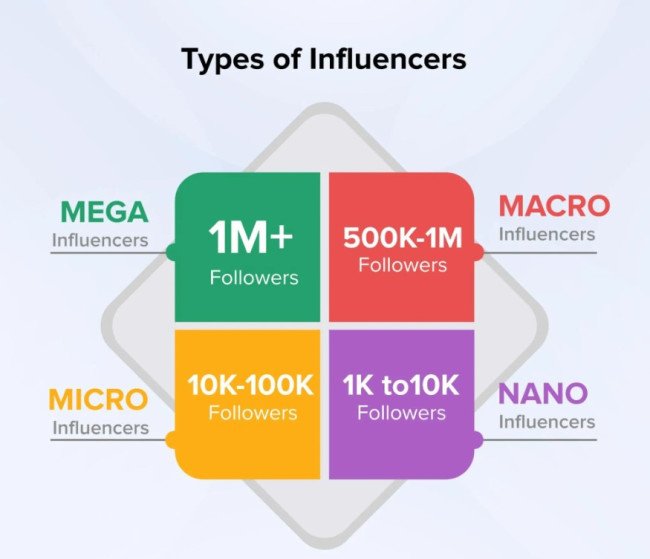
Influencers are often categorized based on their follower count:
- Nano Influencers (1K–10K followers): Known for their tight-knit communities and high engagement rates. Best for local businesses or niche products.
- Micro Influencers (10K–100K): Strike a balance between reach and trust. Their audience is often more targeted and loyal.
- Macro Influencers (100K–1M): Have broader visibility and are suitable for brands looking to expand reach across wider demographics.
- Mega Influencers/Celebrities (1M+): Ideal for global exposure and big-brand awareness campaigns, though often more expensive and less personal.
The “best” type depends on your campaign goal. If you want trust and conversions, go nano or micro. If you need large-scale exposure, macro or mega might be more suitable. A smart digital marketing training in Ahmedabad often emphasizes testing different tiers based on audience response and ROI.
How to Evaluate Authenticity and Audience Fit
An influencer’s true value lies in the quality of their audience, not just quantity. Start by examining how engaged their followers are—look beyond likes and check for meaningful comments, shares, and saves.
Here’s how to assess authenticity:
- Follower Quality: Avoid influencers with fake followers or inflated metrics. Use tools like SocialBlade to audit their profile.
- Engagement Consistency: If an influencer gets 100K views on one post and only 1K on the next, it might signal bot activity or disinterest.
- Content Relevance: Make sure their content style, tone, and values align with your brand voice.
- Audience Demographics: Analyze their followers’ age, location, and interests to ensure they match your target market.
Brands that invest in these checks usually end up with campaigns that feel natural and deliver real results. This is exactly the kind of insight taught in practical digital marketing classes in Ahmedabad.
Tools to Discover and Vet Influencers
Thanks to technology, discovering and evaluating influencers is more efficient than ever. Whether you’re a brand manager or a student of a digital marketing institute in surat, these tools are valuable:
- Upfluence & AspireIQ: For full influencer databases, campaign tracking, and outreach.
- BuzzSumo: Great for finding content creators based on trending topics or keywords.
- NinjaOutreach: Ideal for email outreach, influencer CRM, and campaign monitoring.
- HypeAuditor: For deep authenticity and audience analysis, including fraud detection.
- Instagram & TikTok Creator Marketplace: Official tools from the platforms themselves for discovering influencers based on niche and audience data.
With the right tools, you don’t need a massive budget to run successful influencer campaigns—you just need strategy and clarity. And if you’re learning how to execute this hands-on, look for a digital marketing training in Ahmedabad that offers real-world influencer marketing modules.
Where Does Influencer Marketing Work Best?
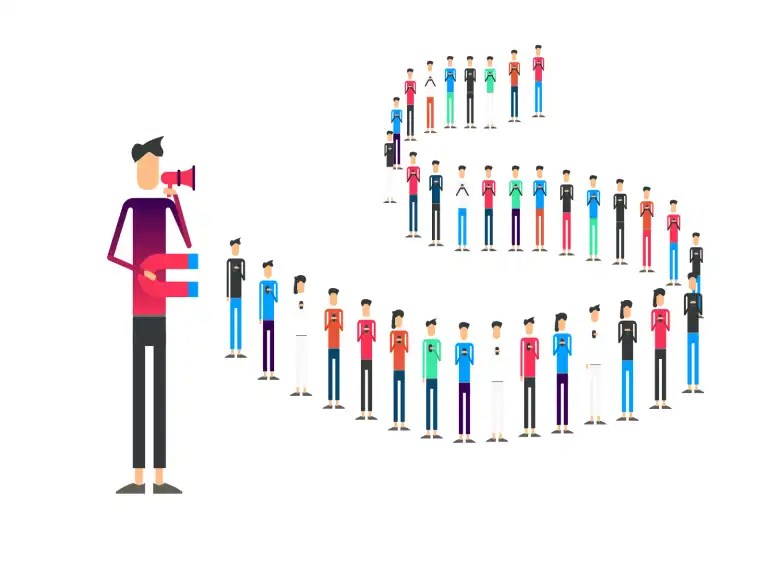
Influencer marketing is not a one-size-fits-all strategy—it thrives on platforms where audiences are highly engaged and content feels personal. In 2026, the digital landscape is more diverse than ever. Depending on your product, audience, and campaign goals, choosing the right platform is critical. From video-first platforms to niche professional spaces, each channel offers unique opportunities for influencer collaboration.
Instagram, TikTok, and YouTube – The Top Platforms for 2026
These three continue to dominate the influencer space because they cater to visual, short-form, and long-form storytelling—all essential for trust-building and product showcasing.
- Instagram remains a powerhouse for lifestyle, fashion, fitness, and beauty influencers. With features like Stories, Reels, and Shopping, influencers can seamlessly integrate brand promotions into everyday content.
- TikTok has exploded with Gen Z and younger millennials. Its algorithm favors creativity over follower count, meaning even smaller influencers can go viral. It’s perfect for challenges, trends, and casual, relatable content.
- YouTube is still the go-to for long-form content, tutorials, unboxings, and reviews. Influencers here often build stronger authority and trust, especially in niches like tech, finance, health, and education.
If you’re a brand looking to connect with younger, highly engaged audiences, these platforms should be your starting point. Even learners enrolled in digital marketing courses in Ahmedabad are now prioritizing these platforms when planning influencer strategies.
LinkedIn, Twitter, and Pinterest – Rising Stars
While not traditionally seen as influencer platforms, these networks are gaining ground fast.
- LinkedIn is becoming a hub for B2B influencer marketing, especially in industries like SaaS, HR tech, and professional services. Thought leaders and industry experts are using it to share insights, tools, and brand partnerships.
- Twitter (now X) allows micro-influencers and niche content creators to drive conversations around breaking news, tech, finance, and social trends. It’s great for real-time engagement and thought leadership.
- Pinterest is quietly powerful, especially for home decor, food, wedding planning, and lifestyle. Influencers here drive long-term traffic via evergreen pins, which act more like visual search than fleeting social posts.
These platforms offer untapped potential for brands willing to experiment and cater to more specialized audiences. Students from leading digital marketing institutes in india are increasingly exploring these spaces as part of multi-platform influencer strategies.
The Emergence of AI and Virtual Influencers
The influencer landscape is undergoing a futuristic shift with the rise of AI-generated and virtual influencers. These digital personalities—like Lil Miquela or India’s Kyra—are crafted with 3D modeling and artificial intelligence, yet they boast real followers and brand deals.
Why are they gaining traction?
- Consistency and Control: Brands love that virtual influencers follow scripts and deliver consistent brand messaging.
- Innovative Appeal: Their futuristic vibe makes them appealing to tech-savvy and digital-first audiences.
- Cost-Effective in the Long Run: No travel, reshoots, or drama—just controlled branding in a fully managed environment.
In 2026, more brands are experimenting with hybrid campaigns—combining real and virtual influencers. This trend is becoming a hot topic in advanced digital marketing training in Ahmedabad, where students are taught to adapt to emerging influencer technologies.
Key Benefits of Influencer Marketing
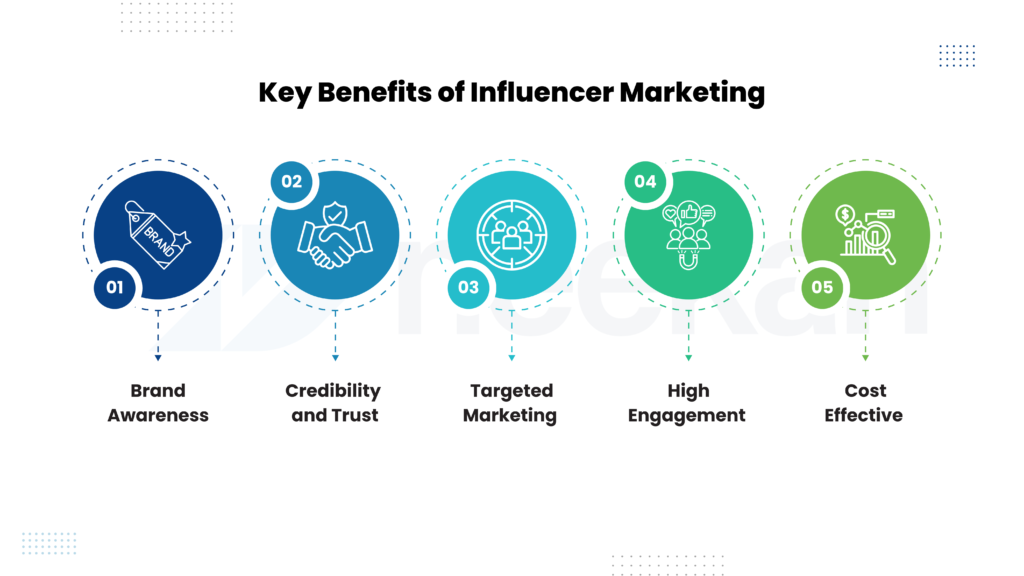
Influencer marketing has become one of the most powerful tools for brands looking to connect with their target audience in an authentic way. Unlike traditional advertising, where the brand speaks directly to consumers, influencer marketing works by using the trust and connection influencers have already built with their followers. In 2026, it’s not just a trend—it’s a proven strategy offering clear, measurable benefits for businesses across industries.
High Engagement and Brand Loyalty
Influencers don’t just broadcast messages—they spark conversations. Because their content feels relatable and native to the platform, it drives higher engagement in the form of likes, comments, shares, and saves. More importantly, their recommendations often feel like they’re coming from a friend rather than a salesperson.
When an influencer promotes a product or service, it becomes a part of their daily life—and their audience notices. Over time, this leads to stronger brand loyalty as consumers associate the brand with someone they trust and admire. Brands that focus on long-term influencer partnerships see this effect multiply, turning casual followers into loyal customers.
Boosting Sales Through Social Proof
In today’s digital marketplace, consumers are more likely to trust peer recommendations than direct advertisements. This is where influencer marketing thrives—by providing social proof.
When an influencer showcases a product in use, shares honest reviews, or highlights results, it creates a layer of credibility that paid ads can’t replicate. Their endorsement serves as proof that the product works, making followers more confident in their purchase decisions. Whether it’s a skincare product, fitness gear, or online course, influencers play a direct role in shortening the buyer’s journey and boosting conversions.
Cost-Effective Marketing with a Personal Touch
Compared to traditional marketing channels like TV or print, influencer marketing often delivers better returns at a lower cost. Micro and nano influencers, in particular, offer highly engaged niche audiences at affordable rates. This makes influencer marketing budget-friendly, especially for startups or small businesses aiming to reach new customers without huge ad spends.
What makes it even more powerful is the personal connection influencers have with their followers. Unlike generic brand messaging, influencer content feels tailored, sincere, and personal. This not only enhances the impact of the message but also increases the likelihood of action—be it clicking a link, making a purchase, or sharing the content.
Step-by-Step Guide to Building a Winning Influencer Marketing Strategy
Building an effective influencer marketing strategy in 2026 requires a structured approach. With increasing competition on social media platforms, brands need to focus on authenticity, clear goals, and measurable results. Here’s how you can create a successful plan step by step
Step 1 – Define Your Goals and Audience
The first step in any influencer marketing strategy is to know why you are running the campaign. Are you aiming to increase brand awareness, generate leads, or boost product sales? Defining your primary goal helps in creating the right content and messaging. At the same time, you must understand your target audience – their age group, interests, location, and buying habits. The better you know your audience, the easier it will be to choose influencers who speak their language.
Step 2 – Identify the Right Influencers
Not every influencer will work for your brand. Look for creators who share your brand values, have authentic engagement, and can connect with your audience. Micro and nano influencers are often more effective than celebrities because their audience trusts their opinions. Use influencer discovery tools, check past collaborations, and analyze engagement rates to make the best choice for your influencer marketing strategy.
Step 3 – Plan Campaigns and Collaborations
Work with influencers to create content that feels natural and authentic. Plan the campaign timeline, content formats (like reels, blogs, or YouTube videos), and key messages. A clear content plan ensures both brand goals and influencer creativity are balanced.
Step 4 – Measure and Optimize for ROI
A winning influencer marketing strategy doesn’t end with posting content. Track performance metrics like reach, engagement rate, website clicks, and conversions. Use data insights to adjust future campaigns for better results.
Measuring Success: Key Metrics and Tools
Measuring the success of an influencer marketing strategy is essential for understanding whether your campaigns are truly making an impact. It’s not enough to look at likes or comments; deeper metrics such as engagement rate, reach, and conversions provide a clearer view of performance. Engagement rate reflects how actively the audience interacts with the content through actions like comments, shares, or saves. A high engagement rate indicates that the influencer’s followers find the content authentic and trustworthy. Reach shows how many unique users have seen the campaign, helping you gauge the visibility and potential influence of your message. Conversions, such as product sales, sign-ups, or downloads, are the most critical metric as they measure real business outcomes resulting from influencer collaborations.
To accurately track these metrics, brands must use reliable tools and analytics platforms. Social media dashboards on Instagram, YouTube, or TikTok provide detailed insights into impressions, engagement, and audience demographics. However, advanced third-party platforms like HypeAuditor, Traackr, or AspireIQ can offer a deeper analysis of influencer performance and campaign ROI. Additionally, Google Analytics is a powerful tool for tracking referral traffic, user behavior, and sales generated directly from influencer campaigns. By combining data from these tools, brands can identify which influencers deliver the highest value and which campaigns drive the most meaningful results.
Evaluating the ROI of an influencer marketing strategy allows brands to refine their approach, invest in better partnerships, and create more effective content strategies. Regularly analyzing these metrics not only ensures that your campaigns meet their goals but also helps in building stronger, long-term relationships with influencers who truly impact your audience. A data-driven approach is the key to achieving sustainable growth through influencer marketing.
Current Trends in Influencer Marketing (2026 and Beyond)
The world of digital advertising is constantly evolving, and trends in influencer marketing are shaping the future of brand promotions. In 2026, the focus is shifting towards more authentic, innovative, and tech-driven collaborations that build stronger connections with audiences. One of the most exciting developments is the rise of AI-powered influencers and avatars. Virtual influencers, created with advanced artificial intelligence, are becoming popular because they can create engaging, high-quality content 24/7 without limitations. Brands are using these virtual personalities to experiment with unique storytelling and futuristic campaigns that appeal to tech-savvy audiences.
Another major trend in influencer marketing is social commerce and shoppable content. Platforms like Instagram, TikTok, and YouTube have transformed into online marketplaces, allowing users to purchase products directly from influencer posts or videos. This trend not only shortens the buyer journey but also increases conversions by combining entertainment with convenience. Influencers are playing a critical role in this shift by integrating product recommendations seamlessly into their content, making the shopping experience more interactive and trustworthy.
Long-term partnerships are also replacing one-time deals. Brands have realized that ongoing collaborations with the same influencers help build credibility and stronger brand loyalty. Instead of running multiple campaigns with different creators, companies are focusing on building deeper relationships with influencers who genuinely resonate with their brand values. This approach results in consistent messaging and a more authentic connection with the audience, which ultimately leads to better engagement and higher ROI.
In summary, the trends in influencer marketing for 2026 and beyond highlight the growing importance of technology, seamless shopping experiences, and meaningful collaborations. Businesses that embrace these trends will have a competitive advantage in reaching their target audience effectively.
Common Challenges and How to Overcome Them
The rapid growth of influencer marketing has brought new opportunities for brands, but it also comes with several challenges. One of the most common issues is dealing with fake followers and engagement fraud. Some influencers use bots or purchased followers to appear more popular than they are. This can lead to poor campaign results and wasted budgets. To overcome this, brands should carefully vet influencers using analytics tools that track real engagement, audience authenticity, and content performance. Platforms like HypeAuditor or Traackr can help identify genuine influencers with active, organic communities.
Another challenge in influencer marketing is the lack of authenticity in campaigns. Audiences can easily spot when content feels forced or overly promotional. When campaigns don’t resonate with followers, engagement drops, and the brand’s message fails to make an impact. To solve this, brands must collaborate with influencers who genuinely use and trust the product. Instead of controlling every detail, brands should allow influencers to create content in their natural style. Authentic storytelling and honest reviews build trust and encourage audiences to take action.
Managing budget and ROI expectations is also a key challenge. Many brands enter influencer marketing without a clear plan for measuring success, leading to confusion about campaign effectiveness. To overcome this, it’s important to set clear goals and track metrics such as engagement rate, reach, and conversions. Brands can start with smaller budgets and work with micro-influencers, who often deliver higher engagement at a lower cost. Regularly analyzing results and optimizing campaigns helps ensure that spending is aligned with performance.
By addressing these challenges with the right strategy, influencer marketing can deliver excellent results. A focus on authenticity, transparency, and data-driven decisions ensures sustainable success for brands.
Future of Influencer Marketing Beyond 2026
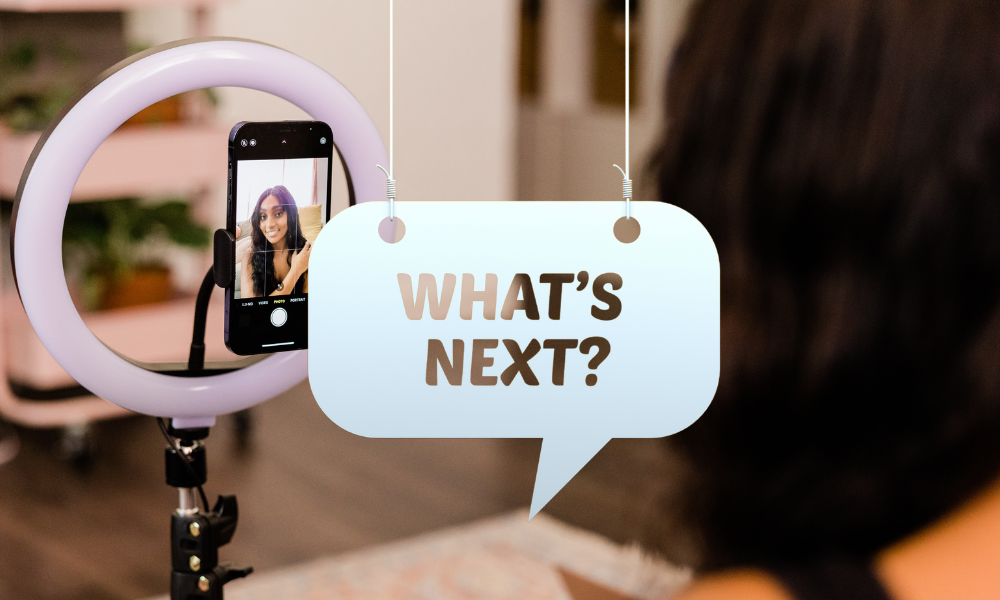
The future of influencer marketing is expected to be more immersive, technology-driven, and personalized than ever before. With rapid advancements in AR (Augmented Reality), VR (Virtual Reality), and the metaverse, brands will have opportunities to create experiences that go beyond simple posts or videos. AR filters, virtual try-on features, and 3D product demos are already changing the way users engage with brands on platforms like Instagram and Snapchat. By 2026 and beyond, influencers will play a key role in these virtual spaces, offering interactive and engaging brand experiences that feel real and dynamic. Virtual reality events and metaverse campaigns will allow audiences to connect with influencers in fully immersive digital worlds, providing a unique and memorable marketing experience.
Looking ahead to the next decade, several predictions highlight the direction of influencer marketing. AI-generated and virtual influencers will become mainstream, offering brands 24/7 engagement with audiences while maintaining complete creative control. Social commerce will continue to grow, turning influencer content into direct shopping opportunities through integrated “buy now” features and live-stream shopping events. Long-term collaborations between brands and influencers will dominate, as companies realize the power of authentic relationships over short-term campaigns.
Additionally, data-driven marketing will take center stage. Brands will increasingly rely on advanced analytics and AI-powered insights to identify the right influencers, track campaign performance, and forecast ROI more accurately. Personalization will also be a major trend, with influencers tailoring content to specific audience segments using AI-driven tools.
In short, the future of influencer marketing will blend technology, authenticity, and creativity to create more meaningful connections between brands and consumers. Companies that adapt to AR, VR, and the metaverse while focusing on real engagement will stay ahead in this evolving landscape.
Final Thoughts – Why Influencer Marketing Is Here to Stay
Influencer marketing has transformed the way brands communicate with their audiences, and its importance will only continue to grow in the years ahead. Unlike traditional advertising, influencer marketing connects with people on a personal level through trusted voices they already follow and admire. This authenticity builds credibility, drives engagement, and encourages real conversations around a product or service. With social media platforms evolving every year, influencers remain a powerful bridge between brands and consumers, creating content that feels natural rather than forced.
One of the main reasons influencer marketing is here to stay is its adaptability. Whether it’s the rise of new platforms like TikTok, the introduction of AI-powered influencers, or the shift towards AR and VR experiences, this strategy keeps evolving to meet audience expectations. Brands that leverage influencers can reach highly targeted audiences, improve brand awareness, and generate measurable ROI faster than many other marketing channels.
Moreover, consumers today trust peer recommendations and real-life reviews more than polished advertisements. Influencers, whether micro or macro, bring this human touch by sharing genuine experiences, which builds stronger brand loyalty over time. As social commerce and interactive content grow, influencer marketing will continue to lead the way in driving direct sales and engagement.
In conclusion, influencer marketing is not just a trend—it is a proven strategy that aligns with how modern consumers discover and connect with brands. By focusing on authenticity, data-driven strategies, and meaningful collaborations, businesses can achieve long-term success in this space. The future belongs to brands that embrace these opportunities and adapt to the ever-changing digital landscape.