
In today’s fast-moving digital world, your personal brand is your online identity — and in 2026, it’s more important than ever. Whether you’re an entrepreneur, freelancer, or working professional, building a strong personal brand on social media helps you stand out, attract opportunities, and establish credibility in your niche. Platforms like Instagram, LinkedIn, and YouTube have become modern-day stages where people share their voice, values, and expertise with the world.
Creating a personal brand isn’t just about growing followers — it’s about building trust, showcasing your skills, and positioning yourself as an authority in your field. With the right strategy, authentic storytelling, and consistent presence, you can transform your online image into a long-term professional asset.
This step-by-step guide will walk you through everything you need to know — from defining your niche and visual identity to creating engaging content and growing your audience organically. By following these proven strategies, you’ll learn how to build a personal brand on social media that reflects who you are and helps you reach your goals in 2026 and beyond.
What Is a Personal Brand and Why It Matters in 2026
Your personal brand is how people recognize and remember you online. It’s the unique mix of your skills, values, voice, and visual identity that tells the world who you are and what you stand for. In 2025, personal branding on social media isn’t just for influencers — it’s essential for professionals, business owners, and creators who want to grow in a competitive digital world.
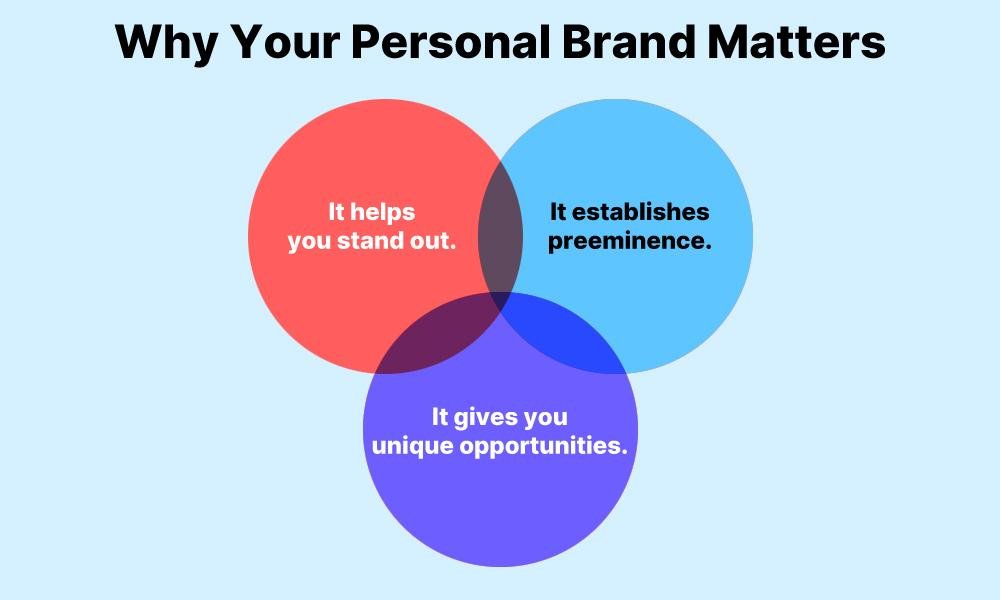
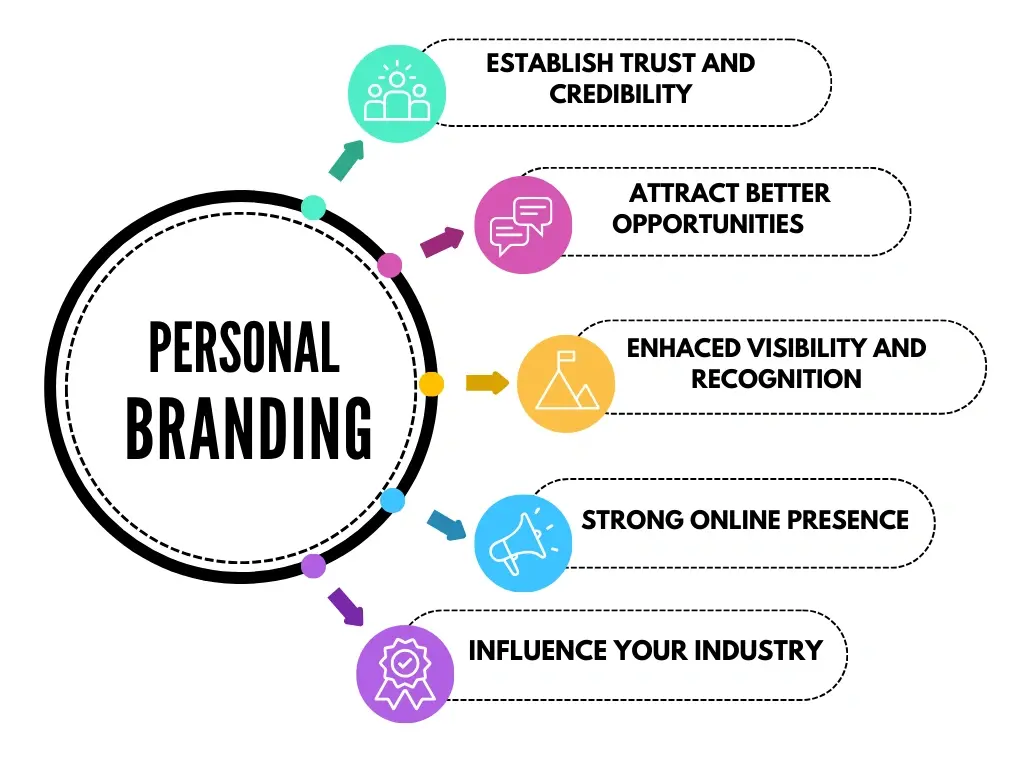
Building a personal brand helps you:
- Gain trust and credibility with your audience.
- Stand out from others in your field.
- Attract better opportunities, collaborations, or clients.
- Share your story in your own authentic voice.
As social media continues to shape how people connect and consume information, a strong personal brand can become your biggest career and business asset.
Why Social Media Is the Fastest Way to Build a Personal Brand
Social media is the most powerful and cost-effective platform for personal branding. It allows anyone to reach a global audience instantly — no need for large budgets or traditional advertising.
Here’s why it works so well:
- Instant visibility: Platforms like Instagram, LinkedIn, and TikTok help you showcase your expertise in real time.
- Direct engagement: You can connect, reply, and build trust with your audience directly.
- Algorithm advantage: Consistent posting increases your reach and authority.
- Storytelling freedom: You can share your personality and experiences in creative formats — reels, stories, posts, and live sessions.
When done right, personal branding on social media helps you grow faster and build genuine relationships that last.
Real-World Examples of Strong Personal Brands
Some of the most successful people today owe their influence to consistent personal branding on social media.
- Gary Vaynerchuk: Built his brand by sharing honest business advice and motivational content daily.
- Marie Forleo: Uses social media to teach entrepreneurship with authenticity and humor.
- Jay Shetty: Turned his storytelling and life lessons into a global brand that inspires millions.
- Ankur Warikoo: In India, he built trust through relatable content on business and personal growth.
Each of these examples shows that success comes from being authentic, consistent, and valuable — not from having a huge budget.
Building a personal brand on social media in 2025 is about showing your true self, sharing your knowledge, and building meaningful digital connections that reflect your real-world values.
Preparing Your Foundation Before Going Public
Before you start sharing your story online, it’s important to prepare the right foundation. Understanding how to build a personal brand starts with clarity — knowing who you are, what you offer, and why people should follow you. A strong foundation makes your brand more authentic and helps you stand out in a crowded digital space.
When you plan early, it becomes easier to stay consistent and confident in your message. This step helps you avoid confusion and build trust faster. Whether you’re an entrepreneur, student, or professional, setting up your foundation will define the direction of your personal brand journey.
Let’s look at the key elements that shape a strong personal brand.
Identify Your Niche and Unique Value Proposition (UVP)
The first step in how to build a personal brand is identifying your niche — the specific area where you want to be known. Your niche defines your audience and helps people understand your purpose quickly.
Ask yourself:
- What problems do I solve?
- What topics am I passionate about?
- What skills or experiences make me different?
Once you find your niche, create a Unique Value Proposition (UVP) — a short statement that explains what makes you stand out. A clear UVP gives your audience a reason to choose you over others.
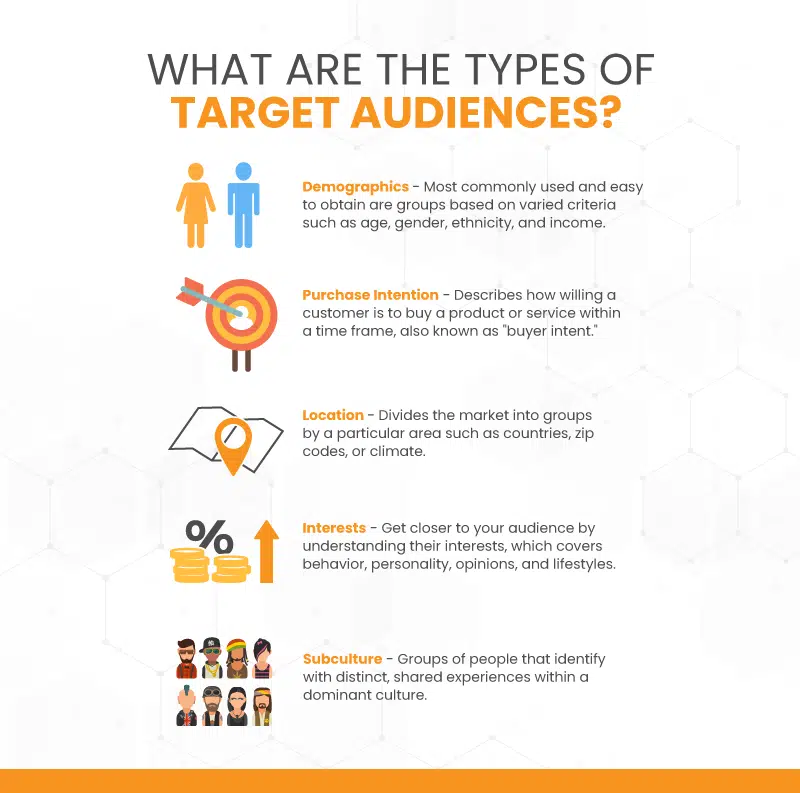
Define Your Target Audience and Their Needs
A successful personal brand speaks directly to the right people. To know how to build a personal brand effectively, understand who you are trying to reach.
Identify your audience by:
- Demographics: Age, location, and profession.
- Interests: What content they enjoy or engage with.
- Pain points: What challenges they face that you can solve.
When you understand your audience’s goals and needs, you can tailor your message and content style to connect with them emotionally and practically.
Choose the Right Social Media Platforms for Your Goals
Not every platform suits every brand. The secret to how to build a personal brand successfully lies in choosing the right platforms for your goals and audience.
- LinkedIn: Best for professionals and thought leadership.
- Instagram: Great for visual storytelling and lifestyle content.
- YouTube: Ideal for in-depth tutorials and educational videos.
- TikTok / Reels: Perfect for short, engaging insights.
Start with two platforms and master them before expanding. Focus on the ones where your audience is most active and where you feel confident sharing your message.
Also, plan your social media strategies carefully — from posting frequency to engagement style — so your presence remains consistent and authentic.
Crafting a Consistent and Authentic Online Identity
Understanding what is a personal brand goes beyond having a logo or catchy bio. It’s about showing your real personality, values, and skills in a way that feels genuine. People follow individuals they trust, and trust grows when your online identity looks and feels consistent everywhere — from your profile photo to your tone of voice.
Building an authentic personal brand helps others see who you truly are. It shows that your content, visuals, and words all match your purpose. A clear and consistent image also helps your audience remember you and connect emotionally with your story.
How to Create a Memorable Username and Bio
When people search what is a personal brand, one of the first things they notice is your username and bio. These small details make a big impact on how your audience perceives you.
To make your profile stand out:
- Choose a simple, easy-to-remember username that reflects your name or niche.
- Write a bio that clearly shares what you do and who you help.
- Add keywords related to your expertise, such as “branding expert,” “fitness coach,” or even “digital creator.”
A well-written bio gives a professional first impression and helps you appear in more profile searches.
Designing a Visual Identity (Profile Photo, Colors, Fonts)
Your visual identity tells your story without words. Think of it as your digital signature — one that helps people instantly recognize your brand.
Here’s how to keep it simple but effective:
- Use the same profile picture on all platforms.
- Pick 2–3 brand colors that represent your personality.
- Keep your design clean, modern, and easy to read.
- Maintain a similar look across posts, videos, and cover images.
When your design stays consistent, it strengthens your brand’s credibility and helps your content feel more professional.
Setting a Consistent Tone and Voice for All Content
Your tone and voice are the emotional side of your brand. They show your audience how you communicate — friendly, motivational, educational, or entertaining.
To master what is a personal brand, define your voice and use it everywhere — captions, blogs, videos, and comments. This consistency helps your followers feel familiar with you and builds loyalty over time.
If you’ve ever researched how to become a social media manager, you’ll notice that professionals in that role focus heavily on brand tone and storytelling — the same skills you’ll need to make your personal brand feel authentic and engaging.
Creating Content That Builds Trust and Engagement
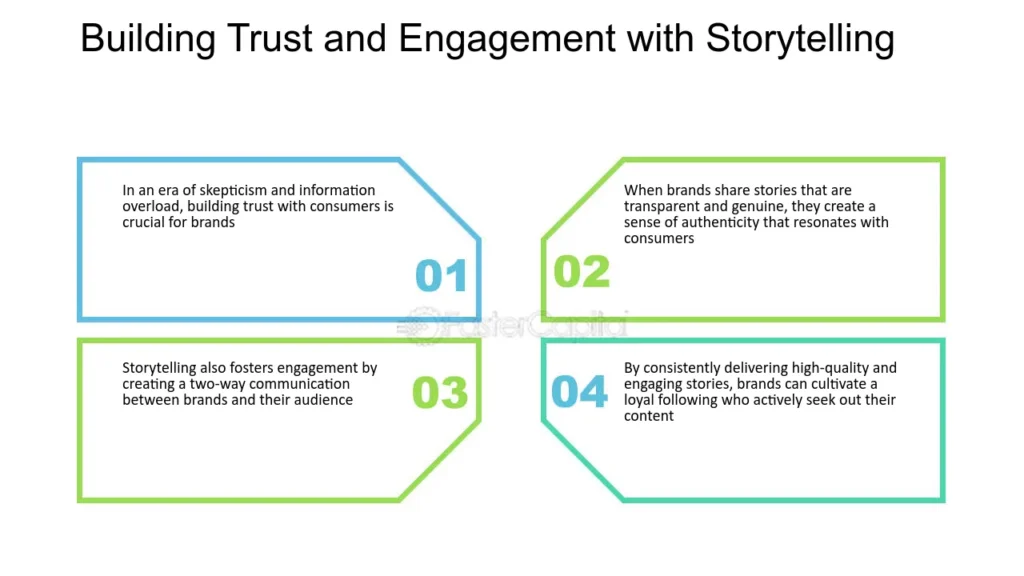
When it comes to online success, content is your strongest tool. The right message, shared consistently, can attract followers, build trust, and boost visibility. If you want to grow your audience fast, learning and applying the right social media growth tips will make a big difference.
Content isn’t just about posting often — it’s about sharing something valuable and relatable. Whether it’s an inspiring story, a helpful tutorial, or a behind-the-scenes moment, every post should tell your audience who you are and why they should care.
Good content keeps people coming back. It creates a connection that goes beyond likes and shares, helping you build long-term loyalty and authority in your niche.
What Type of Content Works Best for Personal Branding
Every platform favors a different style, but the most effective social media growth tips focus on three main content types:
- Educational posts: Teach something useful about your field.
- Inspirational stories: Share personal experiences or lessons learned.
- Interactive content: Use polls, quizzes, or Q&A sessions to engage followers.
When your content helps people solve problems or feel inspired, they are more likely to trust you and recommend you to others.
How to Mix Educational, Inspirational, and Personal Stories
The secret to lasting engagement is storytelling. Mix different content types to keep your audience interested and emotionally connected.
Try this balance:
- 40% educational posts — share your expertise.
- 30% inspirational posts — motivate your followers.
- 30% personal stories — show your authentic side.
Following these social media growth tips helps your content feel natural and well-rounded instead of repetitive.
Tips for Writing Captions That Convert Followers into Fans
Captions can make or break your post. A strong caption explains your message and encourages people to take action.
Here’s how to write better captions:
- Start with a hook that grabs attention.
- Keep sentences short and easy to read.
- End with a call to action — like asking a question or inviting feedback.
- Add relevant emojis and hashtags for visibility.
Learning from an Instagram Marketing Course can also improve how you structure captions and use algorithms to increase reach. Combining creativity with strategy is what truly drives engagement.
How Often Should You Post on Each Platform
Consistency is key. One of the best social media growth tips is to post regularly, but not at the cost of quality.
Here’s a simple rule of thumb:
- Instagram / TikTok: 3–5 times per week
- LinkedIn: 2–3 times per week
- YouTube: 1 high-quality video per week
Always monitor your analytics to see what times and formats work best. Over time, your followers will look forward to your content — and that’s how your personal brand truly grows.
Leveraging Paid Promotions and Analytics

Organic reach is great, but sometimes you need an extra push to grow faster. That’s where paid promotions come in. They help your content reach the right audience at the right time. Whether you’re promoting a post, a video, or your brand, paid ads allow you to target specific people who are most likely to engage with your message.
Using paid promotions is not just about spending money — it’s about spending it smartly. When done strategically, it can boost your visibility, grow followers, and drive real business results. The key is to combine ads with authentic content so your audience still feels connected to your message.
When to Use Paid Ads to Boost Your Brand Visibility
You don’t need to run ads all the time. The best time to use paid promotions is when:
- You launch a new product, course, or event.
- You want to increase traffic on your website or profile.
- Your organic growth has slowed down.
- You’re testing what type of content your audience responds to most.
Smart advertising ensures that your money works for you, not against you.
How to Read Insights and Improve Your Social Media Strategy
After running paid promotions, always check your analytics. Data tells you what’s working and what’s not. Look for:
- Reach and impressions — how many people saw your ad.
- Engagement rate — likes, comments, saves, and shares.
- Conversion rate — how many users took the desired action.
Analyzing results helps you refine your campaigns and avoid repeating costly mistakes. Learning from experts through Social Media Marketing Classes in Surat can also help you understand how to track performance effectively and optimize future campaigns.
Tools for Tracking Brand Growth and Audience Sentiment
Tracking your brand’s progress after paid promotions gives you valuable insight into audience behavior. Use tools like:
- Meta Ads Manager for Facebook and Instagram.
- Google Analytics to track website traffic.
- Hootsuite or Buffer for scheduling and monitoring results.
By combining these tools with creative strategies, you can keep improving your performance and maintain a strong online presence.
Remember — paid promotions are not a shortcut but a smart way to boost your personal brand visibility when used with a consistent and authentic content plan.
Building Credibility and Authority Online
In the digital world, credibility in personal branding is what separates trusted experts from casual creators. When people believe in your message and see your consistent effort, they start viewing you as a reliable authority. This trust doesn’t come overnight — it’s built through transparency, consistency, and valuable content.
Your audience follows you not just for what you post, but for how genuine and helpful you are. Building credibility in personal branding means showing real experiences, admitting challenges, and delivering content that truly helps others.
How to Share Your Achievements Without Sounding Arrogant
It’s okay to highlight your success — as long as you do it with humility. The best way to increase credibility in personal branding is to celebrate wins while still being relatable.
You can do this by:
- Sharing the story behind your achievement, not just the result.
- Mentioning the lessons you learned during the process.
- Giving credit to the people or mentors who helped you.
When you communicate success as a journey instead of a show-off moment, your audience connects more deeply and trusts your expertise.
Collaborating with Other Influencers or Brands
Partnerships are a powerful way to enhance credibility in personal branding. When you collaborate with other professionals or known brands, it adds social proof to your profile.
Collaboration helps you:
- Reach new audiences who already trust the person you’re partnering with.
- Learn fresh ideas and grow your skills.
- Strengthen your online reputation through shared authority.
Use trusted Social Media Tools to manage these collaborations, schedule posts, and track engagement performance efficiently.
Using Testimonials and Case Studies for Social Proof
Testimonials and case studies play a major role in credibility in personal branding. They act as proof that your work delivers real results.
To use them effectively:
- Request short reviews from satisfied clients or followers.
- Create simple before-and-after case studies.
- Highlight real results with measurable outcomes.
When people see others benefiting from your work, it reinforces trust and authority — making your personal brand more memorable and respected.
Maintaining and Evolving Your Personal Brand
Once your online presence starts growing, it’s important to know how to maintain personal brand consistency while adapting to new trends. Building a personal brand is only the first step — keeping it strong and relevant requires ongoing effort. A trusted brand is one that stays active, provides value, and continues to evolve with time.
To maintain personal brand credibility, you must balance authenticity with innovation. Stay true to your core message, but keep improving your content style, design, and communication as platforms and audiences change.
Staying Consistent While Adapting to Trends
Consistency is key to keeping your audience engaged. Post regularly, stay connected, and follow design patterns your followers recognize. However, being consistent doesn’t mean ignoring new opportunities. Adapt to emerging formats like reels, podcasts, or newsletters to stay fresh.
When you experiment with new ideas while staying authentic, it shows that you’re growing with your audience — not just repeating old patterns. That’s the best way to maintain personal brand value over time.
Managing Negative Comments and Online Reputation
No matter how positive your content is, criticism is part of the online journey. To maintain personal brand trust, handle negative feedback calmly and professionally.
Here’s how to deal with it effectively:
- Respond politely and avoid emotional reactions.
- Address valid concerns with clarity and transparency.
- Ignore unnecessary hate that doesn’t help you improve.
Turning criticism into constructive improvement can make your brand even stronger. If you want to learn advanced communication and reputation management techniques, enrolling in a Digital Marketing Course in Surat can help you gain those practical insights.
How to Refresh Your Brand Without Losing Your Audience
Even a strong personal brand needs renewal. Refreshing doesn’t mean changing who you are — it means updating your visuals, tone, or strategy to match your current goals.
You can maintain personal brand freshness by:
- Updating your profile photos and color palette every year.
- Reviewing your content strategy every few months.
- Listening to feedback from your audience to see what they value most.
Refreshing your brand smartly keeps your followers interested while showing that you’re evolving with purpose, not just for trends.
Conclusion
Creating a strong personal brand strategy is essential for standing out in today’s competitive digital world. It’s not just about posting content — it’s about defining your values, building trust, and consistently delivering value that connects with your audience. A clear personal brand strategy helps you position yourself as an authority, attract genuine followers, and open doors to long-term growth opportunities.
In 2026, success on social media will depend on how well you combine authenticity with strategy. By understanding your audience, using the right platforms, and tracking your performance, you can develop a sustainable approach that keeps your brand relevant and engaging.
Continuous learning plays a vital role in perfecting your personal brand strategy. Enrolling in a Digital Marketing Course in Ahmedabad can help you master essential tools, analytics, and content tactics that boost your online presence effectively. It’s the best way to stay updated with modern digital trends and elevate your personal brand.