Digital marketing skills are becoming essential for students, professionals, freelancers, and business owners in Ahmedabad. With continuous changes in online platforms, search algorithms, consumer behavior, and AI tools, the need for an updated and industry-ready Digital Marketing Syllabus in Ahmedabad has increased. The 2026 curriculum focuses on practical learning, live projects, and real-world marketing tools, helping learners stay competitive in a fast-growing digital economy.
Modern digital marketing is no longer limited to basic SEO or social media posting. The latest syllabus now includes advanced SEO, PPC advertising, data analytics, short-form video marketing, AI-driven automation, and customer engagement strategies. These updated modules help learners manage campaigns confidently, measure performance, and improve online brand visibility.
Ahmedabad is a growing digital hub with a strong demand for digital marketers, agency jobs, e-commerce experts, and content creators. Institutes that offer a 2026-ready syllabus must include hands-on training, internship opportunities, industry certifications, and business case studies. Whether someone wants a job, launch a startup, or work as a freelancer, learning digital marketing from a structured, updated syllabus in Ahmedabad provides a strong career advantage.
This blog will help you explore the 2026 digital marketing syllabus, modules, tools, and learning outcomes in detail.
Why Ahmedabad Needs an Updated Digital Marketing Syllabus in 2026
The demand for digital skills has grown rapidly across startups, agencies, and local businesses, and this makes it important to upgrade the Digital Marketing Syllabus in Ahmedabad. Many students still learn outdated modules that do not cover modern campaign execution, short-form content, automation tools, or advanced analytics. The 2026 digital environment needs a practical, tool-based learning approach where students understand content strategy, paid ads, SEO execution, and performance management instead of just theory.
A modern syllabus helps learners become job-ready faster, take freelance projects confidently, and understand branding for local businesses. Ahmedabad has strong industrial growth, and many companies prefer trained talent who can manage digital campaigns using real tools and live reporting dashboards.
New AI Tools and Algorithm Changes
Marketing platforms, search engines, and social channels now use AI for ranking, targeting, ad optimization, and content recommendations. Students must understand how these changes impact SEO results, PPC performance, and campaign cost.
A future-ready Digital Marketing Syllabus in Ahmedabad should include AI content planning, automated bidding strategies, and performance forecasting. It should also train students to use Free ai tools for content creation, keyword clustering, and audience analysis so they can produce content faster with better accuracy.
Demand for Local Business Digital Growth
Ahmedabad has thousands of local businesses that need online presence, map ranking, WhatsApp campaigns, social media content, and paid ads. Students trained under an updated Digital Marketing Syllabus in Ahmedabad can help small and medium businesses grow using affordable digital methods. They learn how to run local SEO, promote regional content, generate leads, and build online credibility.
Skills needed for local business growth:
- Local SEO and map optimization
- WhatsApp and Facebook promotions
- Google reviews and local branding
Complete SEO Syllabus for 2026
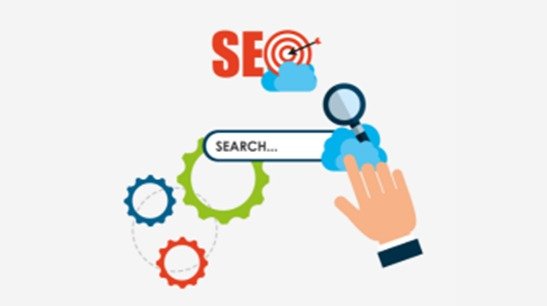
The SEO Syllabus for 2026 focuses on modern optimization, technical execution, AI adoption, and content-driven growth. Students must learn crawling, indexing, local SEO, keyword research, and reporting to perform real campaigns. Practical learning helps students build strong digital marketing skills, understand ranking behavior, and manage business visibility. The SEO Syllabus for 2026 also includes analytics, speed improvement, on-page UX, and technical audits. Students must understand How Artificial Intelligence Will Impact in SEO, including automation and predictive content planning for better performance.
1. Basics of SEO — Crawling, Indexing, Ranking
The SEO Syllabus for 2026 begins with crawling, indexing, and ranking principles. Students learn how search engines discover pages, understand website content, and rank information based on quality signals. They explore mobile-first indexing, page accessibility, metadata clarity, and duplicate avoidance. Understanding sitemaps, structured navigation, and robots.txt helps websites improve crawling behavior. Ranking performance depends on user relevance, freshness, intent, and engagement quality.
Core learning includes:
- Creating clear navigation and internal linking
- Avoiding blocked resources and thin content
- Maintaining accessible architecture
The SEO Syllabus for 2026 teaches why clean structure, readable layout, and organized hierarchy help Google deliver better visibility.
2. Keyword Research — Local, Commercial & Long-Tail
Keyword research is a major topic in the SEO Syllabus for 2026 because it helps match user needs with content. Students learn local keywords for nearby searches, commercial terms for buying intent, and long-tail keywords for easy ranking in competitive niches. They analyze search volume, SERP features, seasonal demand, and competitor gaps. Local keywords help brick-and-mortar businesses attract nearby customers, while commercial keywords support landing page conversions.
Research skills include:
- Google Suggest and People Also Ask
- Query mapping and topical relevance
- Competitor content analysis
With the SEO Syllabus for 2026, students learn structured keyword selection that improves planning, targeting, and ranking consistency.
3. On-Page SEO — Tags, Structure, Readability & UX
On-page optimization is a core part of the SEO Syllabus for 2026 because strong structure and readability improve ranking signals. Students learn heading hierarchy, tag optimization, meta clarity, and internal linking. They explore readable layouts, balanced media usage, and mobile accessibility. UX improvements support better engagement, longer scroll depth, and brand clarity.
Important on-page focus areas:
- Schema markup and rich result setup
- Content intent and navigation quality
- Internal link planning
The SEO Syllabus for 2026 teaches students how page formatting, topical relevance, and user-friendly layout influence organic performance and visibility.
4. Technical SEO — Site Speed, Schema, Core Web Vitals
Technical optimization is a detailed module inside the SEO Syllabus for 2026. Students learn page speed measurement, Core Web Vitals, caching, compression, and responsive design. They explore structured data for rich snippets, breadcrumb clarity, and mobile-first performance. Technical SEO improves indexability, accessibility, and SERP enhancement.
Technical skill coverage:
- Fixing redirects, broken links, and canonical issues
- Improving loading time and server responsiveness
- Using Lighthouse and PageSpeed Insights
The SEO Syllabus for 2026 explains why user experience, speed stability, and structured data directly influence ranking and long-term organic success.
5. Off-Page SEO — Link Building, Citations, Brand Mentions
Off-page optimization is a major part of the SEO Syllabus for 2026, focusing on authority building, brand reputation, and trusted backlinks. Students learn manual outreach, guest posting, citation building, and PR activities that increase online visibility. Off-page SEO is not only about link volume but about link quality, topical relevance, and brand credibility. Learners understand how business listings, review platforms, influencer mentions, and content partnerships help a website gain higher trust.
Important off-page topics:
- Local citations and business verification
- Guest posting and industry collaborations
- Brand mention monitoring and digital PR
The SEO Syllabus for 2026 shows how off-page optimization directly improves ranking, domain authority, and user trust.
6. Local SEO — Google Business Profile & Map Rankings
Local SEO is essential for regional businesses, and it is a structured part of the SEO Syllabus for 2026. Students learn how to optimize Google Business Profile, add descriptions, track reviews, respond to FAQs, and publish updates or offers. Understanding regional content, NAP consistency, and geo-based keyword planning helps businesses improve map rankings. Local backlinks, citations, and neighborhood relevance also influence search visibility.
Local SEO learning includes:
- Optimizing GBP attributes and local categories
- Gathering reviews and local trust signals
- Planning regional landing pages
The SEO Syllabus for 2026 helps learners build strong map presence for retail, services, restaurants, and real estate businesses.
7. SEO Tools — Google Search Console, SEMrush, Ahrefs
Tool-based training is extremely important in the SEO Syllabus for 2026. Students learn Google Search Console for indexing, queries, coverage, Core Web Vitals, and mobile usability. SEMrush and Ahrefs are used for keyword planning, competitor analysis, site audits, and backlink tracking. Learners also explore rank-tracking software, content optimization tools, and technical reporting dashboards. Many institutes offering a Digital Marketing course in Surat also focus on tool-based SEO learning to help students understand performance analysis and real project execution.
Tool usage includes:
- Analyzing visibility and search impressions
- Measuring keyword performance and SERP changes
- Managing link issues and crawling behavior
The SEO Syllabus for 2026 ensures students develop practical tool confidence for agency work, reporting, performance tracking, and business insights.
8. SEO Content Writing & Blog Optimization
Content writing is one of the most valuable modules in the SEO Syllabus for 2026. Students learn keyword placement, topic clustering, blog structure, formatting, FAQ usage, and call-to-action strategy. They also learn internal linking, readability, and content depth to increase user engagement. Quality content wins ranking because it focuses on user intent and value delivery, not keyword stuffing.
Important content skills:
- Creating optimized titles and headings
- Answer-based paragraphs for search intent
- Rich formatting for clarity and navigation
The SEO Syllabus for 2026 helps students plan content that improves ranking, brand trust, and topical authority.
9. Measuring SEO with Analytics and Reporting
Performance tracking is a core part of the SEO Syllabus for 2026. Students learn analytics dashboards, session behavior, scroll depth, engagement, conversions, and goal tracking. Reporting helps measure ranking changes, content performance, and business visibility. Tracking KPIs allows marketers to adjust strategy, improve UX, and understand user intent.
Analytics focus areas:
- Channel-wise traffic and search performance
- Page experience and Core Web Vitals
- Conversion path insights and attribution
The SEO Syllabus for 2026 teaches students how to build meaningful reports for agencies, clients, and local businesses.
PPC Ads Syllabus for 2026

The PPC Syllabus for 2026 focuses on paid advertising strategy, audience targeting, bid management, creative planning, and measurable conversion tracking. Students learn how ad platforms like Google Ads and Meta Ads deliver leads, traffic, and online sales.
The PPC Syllabus for 2026 teaches bidding models, budget optimization, landing page design, and A/B testing. Tool-based learning helps learners build strong campaign planning and analytical skills. Students must also understand How Artificial Intelligence Will Impact in SEO and PPC automation for better audience reach, performance forecasting, and ad personalization.
1.Google Ads — Search, Display, Video & Performance Max
Google Ads is one of the most important modules in the PPC Syllabus for 2026. Students learn how Search Ads attract high-intent users, Display Ads create brand awareness, and Video Ads support storytelling on YouTube. Performance Max campaigns help advertisers run multi-channel ads using smart automation.
Google Ads learning includes:
- Campaign structure and keyword planning
- Bid strategies and cost optimization
- Ad copywriting and creative best practices
The PPC Syllabus for 2026 teaches students how to evaluate click-through rate, cost per conversion, landing page quality, and targeting accuracy. Students gain confidence in building and optimizing ads for different business categories.
2. Meta Ads — Facebook & Instagram Campaigns
Meta Ads are a core module in the PPC Syllabus for 2026 because Facebook and Instagram campaigns support branding, awareness, and lead generation. Students learn audience targeting, custom audiences, lookalike audiences, storytelling creatives, and post boosting. Learners explore ad objectives like conversions, traffic, reach, and engagement.
Meta Ads concepts include:
- Creative testing and ad variations
- Retargeting through pixel-based data
- Messenger and WhatsApp lead campaigns
The PPC Syllabus for 2026 helps students create visually engaging content, optimize budgets, and measure conversion behavior using Meta dashboards.
3. Keyword Targeting, Bidding & Quality Score
The PPC Syllabus for 2026 highlights keyword targeting, bidding strategies, and quality score improvement. Students understand match types, negative keywords, and intent-based bidding. Quality score depends on landing page relevance, ad clarity, expected CTR, and user experience.
Key bidding skills:
- Manual CPC and smart bidding
- Maximize conversions and CPA targets
- Seasonal and geo-based strategy
The PPC Syllabus for 2026 helps students plan better keyword selection and bid adjustment based on performance signals.
4. Landing Page Optimization for Conversions
Landing page optimization is a strategic module in the PPC Syllabus for 2026. Students learn how page layout, CTA clarity, mobile responsiveness, and content intent influence conversion rate. They explore headline variations, customer trust signals, form placement, and page load stability.
Optimization priorities:
- Responsive design and fast loading
- Clear message and visual clarity
- Short forms for higher completion rate
The PPC Syllabus for 2026 trains students to build landing pages that convert more traffic into leads and sales.
5. Remarketing & Conversion Tracking
Remarketing is a powerful topic in the PPC Syllabus for 2026 because it brings back visitors who already showed interest. Students learn how pixel-based remarketing, custom audiences, cart abandonment ads, and nurture campaigns improve ROI. Conversion tracking helps measure leads, purchases, calls, form signups, and engagement. Understanding What Generative Engine Optimization (GEO) will also become important as future ad platforms use AI-driven content delivery, creative automation, and predictive targeting to improve campaign performance.
Tracking skills include:
- UTM tagging and event setup
- Funnel mapping and attribution learning
- Cross-channel performance analysis
The PPC Syllabus for 2026 helps students understand repeat visibility and conversion lift for better revenue growth.
6. Budget Planning, A/B Testing & Optimization
Budget planning and A/B testing are critical topics in the PPC Syllabus for 2026. Students learn campaign budgeting, daily spending, bid limits, and seasonal fluctuations. A/B testing helps evaluate variations in creatives, CTA, landing pages, or targeting.
Optimization learning includes:
- Scaling profitable ad sets
- Reducing low-performing segments
- Using performance metrics for decisions
The PPC Syllabus for 2026 helps learners increase profitability through structured testing, data-led optimization, and continuous improvement.
7. PPC Reporting, ROAS and Client Dashboards
Reporting and ROAS evaluation are detailed parts of the PPC Syllabus for 2026. Students learn performance dashboards, cost-per-lead analysis, attribution, and funnel metrics. ROAS (Return on Ad Spend) helps understand whether campaigns deliver profitable outcomes.
Reporting essentials:
- Platform dashboards and custom reports
- Trend analysis and budget allocation
- Client-ready presentation formats
The PPC Syllabus for 2026 teaches how agencies and freelancers evaluate PPC success, measure conversion lift, and recommend better strategy for sustained results.
AI and Automation Syllabus for Digital Marketing

The AI and Automation Syllabus for Digital Marketing focuses on modern tools, automation workflows, content generation, analytics, and campaign optimization. Students learn how AI changes search behavior, paid ads, customer engagement, and performance forecasting. This syllabus teaches how automation reduces manual effort, improves targeting accuracy, and increases campaign return. Learners also explore chat assistants, predictive analytics, and AI dashboards that help improve campaign planning. The AI and Automation Syllabus for Digital Marketing prepares learners for agency roles, freelance work, and enterprise solutions by combining creativity, automation systems, and strategic decision-making.
1. Understanding AI in SEO, Content and PPC
AI plays a major role inside the AI and Automation Syllabus for Digital Marketing. Students understand how AI supports crawling, indexing, predictive search queries, SEO content, and PPC automation. AI helps marketers improve keyword selection, bid strategies, and customer targeting. Learners explore how algorithm learning, topic analysis, voice search, and intent prediction influence ranking and paid media outcomes. AI also supports SEO audits, content quality checks, title generation, and automated campaign bidding.
Core concepts include:
- Machine learning for SERP behavior
- Smart ad targeting and automation
- Content analysis and optimization patterns
The AI and Automation Syllabus for Digital Marketing helps students understand how automation improves planning, reduces workloads, and increases performance accuracy.
2.ChatGPT, Gemini and AI Assistants for Content Creation
AI writing tools are now central to the AI and Automation Syllabus for Digital Marketing. Students learn how to use ChatGPT, Gemini, and other AI assistants to generate blogs, ad copies, captions, FAQ answers, topic outlines, and email content. These tools help save time, improve accuracy, and support branded storytelling. Learners explore rewriting, summarizing, and content enhancement techniques while maintaining originality and tone.
Skills include:
- Creating content ideas quickly
- Formatting and editing outputs
- Optimizing content for user intent
The AI and Automation Syllabus for Digital Marketing teaches how AI improves quality while human review ensures correctness, brand voice, and contextual judgment.
3. AI-Driven Keyword Research & Topic Clustering
Keyword analysis and topic planning are major parts of the AI and Automation Syllabus for Digital Marketing. Students learn how AI tools help discover keyword clusters, content gaps, local queries, and commercial intent faster than manual research. AI also predicts search volume trends, evaluates competition, and recommends topic groups for blogs and landing pages.
AI keyword planning benefits:
- Faster keyword discovery
- Smarter topic mapping
- Better relevance for ranking
The AI and Automation Syllabus for Digital Marketing helps learners improve planning accuracy and build meaningful content libraries that support SEO performance.
4. Automated Email Workflows and Lead Nurturing
Email automation is a strategic module inside the AI and Automation Syllabus for Digital Marketing. Students learn automated drip campaigns, segmentation, onboarding emails, cart recovery, and lead scoring. AI-driven email funnels personalize communication, recommend products, and increase conversion without constant manual work.
Important automation concepts:
- Segmented campaigns
- Trigger-based messaging
- Dynamic content personalization
The AI and Automation Syllabus for Digital Marketing helps learners build email workflows that nurture leads and support long-term business relationships.
5. Predictive Analytics, User Intent and Personalization
Predictive analytics is an advanced area of the AI and Automation Syllabus for Digital Marketing. Students learn how AI forecasts trends, predicts user intent, and personalizes customer journeys. Predictive systems recommend content, estimate conversion probability, and optimize engagement.
Learning outcomes:
- Behavioral segmentation
- Conversion forecasting
- Personalized content experience
The AI and Automation Syllabus for Digital Marketing prepares students for real-time decision making, helping brands design smarter campaigns and user experiences.
6. AI Tools for Social Media Scheduling & Reels
AI scheduling tools are part of the AI and Automation Syllabus for Digital Marketing. Students learn how AI recommends posting times, formats captions, edits reels, and plans content calendars. Automation tools help designers and marketers improve output quality, reduce manual operations, and analyze engagement patterns. Understanding What is Answer Engine Optimization (AEO) also becomes important because AI platforms now display direct answers, summaries, and recommendations instead of only traditional search listings.
Core skills:
- Auto-publishing and scheduling
- Reel editing and caption templates
- Trend-based content suggestions
The AI and Automation Syllabus for Digital Marketing helps learners manage multiple platforms efficiently and improve brand consistency.
7. Building Campaigns with AI + Human Judgment
A balanced approach is essential in the AI and Automation Syllabus for Digital Marketing. Students learn that AI can plan, recommend, and automate campaigns, but human creativity ensures tone, relevance, and ethical correctness. AI supports analytics, bidding, timing, and performance optimization, while human review adds context and brand insight.
Best practices:
- AI for planning and forecasting
- Human editing for quality and clarity
- Continuous testing and performance enhancement
The AI and Automation Syllabus for Digital Marketing helps learners combine automation intelligence with strategic thinking for higher campaign success.
Social Media Marketing Syllabus for 2026

The Social Media Marketing Syllabus for 2026 focuses on practical learning, audience targeting, storytelling, content structure, video marketing, analytics, and brand reputation. Students learn how Facebook, Instagram, LinkedIn, and YouTube help brands build reach, engagement, and business leads. The Social Media Marketing Syllabus for 2026 includes short-form video production, reel strategies, paid ads, content scheduling, and community building. Learners also explore insights, reporting dashboards, and brand-building campaigns. This syllabus prepares students for agency roles, freelance work, influencer strategy, and corporate marketing.
1. Content Strategy for Facebook, Instagram, LinkedIn & YouTube
Content planning is a core module in the Social Media Marketing Syllabus for 2026. Students learn how each platform has different audience behavior and content style. Facebook is useful for storytelling and lead funnels, Instagram drives visual engagement, LinkedIn supports professional branding, and YouTube builds long-form and evergreen video learning. Students explore tone, topic planning, creative sequencing, and storytelling style for each network.
Skills covered:
- Post writing formats and captioning
- Carousel and educational content planning
- Understanding audience behavior
The Social Media Marketing Syllabus for 2026 helps students design consistent brand messaging that attracts followers, encourages engagement, and increases business visibility.
2.Short-Form Video & Reels Marketing Techniques
Short-form video is now a major part of the Social Media Marketing Syllabus for 2026 because reels and shorts dominate reach on Instagram, Facebook, and YouTube. Students learn hook creation, script planning, visual flow, trending audio, and mobile editing techniques. Reel content improves brand virality, storytelling, and conversion rate because users prefer fast, engaging formats.
Core learning topics:
- Reel scripting and platform trends
- Editing using mobile tools
- CTA placement and storytelling flow
The Social Media Marketing Syllabus for 2026 also covers analytics, retention rate, and content optimization for viral performance, helping students reach wider audiences organically.
3. Influencer Collaboration and Affiliate Growth
Influencer strategy is included inside the Social Media Marketing Syllabus for 2026 because brands use creators to build credibility, product awareness, and long-term loyalty. Students learn influencer identification, negotiation, campaign structure, deliverables, and performance tracking. Affiliate partnerships support product promotion, traffic generation, and measurable revenue growth.
Learning outcomes:
- UGC collaboration and branded storytelling
- Discount codes, affiliate links, and reviews
- Creator analytics and ROI tracking
The Social Media Marketing Syllabus for 2026 teaches how to evaluate influencer content, engagement quality, click-through rate, and conversion behavior for better decision-making.
4.Paid Social Ads — Targeting, Optimization & Budgeting
Paid advertising is an advanced part of the Social Media Marketing Syllabus for 2026. Students learn Facebook and Instagram audience targeting, ad creatives, bid control, and budget allocation. They explore objective selection, funnel planning, and remarketing behavior. Paid ads help brands achieve high visibility, targeted conversion, and detailed measurement. Understanding Social Media Marketing Advantages and Disadvantages helps learners evaluate when to scale campaigns, when to control budget, and how to maximize returns using insights and ongoing optimization.
Paid ad learning includes:
- Lookalike audience and interest targeting
- A/B creative testing
- Budget scaling and optimization
The Social Media Marketing Syllabus for 2026 prepares students to run profitable campaigns, evaluate conversion cost, and optimize spending based on real analytics.
5.Community Building and Online Brand Reputation
Community building is essential in the Social Media Marketing Syllabus for 2026. Students learn how online groups, comment interaction, WhatsApp communities, and discussion forums build long-term brand loyalty. Online reputation management helps protect reviews, resolve complaints, and maintain brand transparency.
Skills developed:
- Moderation and response planning
- Review collection and reputation management
- Customer engagement and brand loyalty
The Social Media Marketing Syllabus for 2026 helps marketers maintain a positive digital presence, support customer relationships, and build stronger online communities.
6. Social Media Analytics, Insights and Reporting
Analytics is a strategic area inside the Social Media Marketing Syllabus for 2026. Students learn how to track reach, engagement, clicks, conversion rate, retention, and growth patterns. Social insights dashboards help identify content performance, follower demographics, and campaign outcomes.
Measurement tasks:
- Engagement comparison and retention rate
- Funnel tracking and attribution
- ROI-based performance evaluation
The Social Media Marketing Syllabus for 2026 trains students to interpret numbers correctly, build client-ready reports, and improve decision-making based on real behavior patterns.
7. Designing Creatives & Ad Copies for Better Engagement
Design and creative writing are essential skills in the Social Media Marketing Syllabus for 2026. Students learn text hierarchy, color balance, CTA clarity, typography, hook lines, and brand tone. Creative ads must communicate value in seconds and encourage interaction.
Creative learning topics:
- Story-based carousel design
- Caption formulas and CTA clarity
- Visual rhythm and brand aesthetics
The Social Media Marketing Syllabus for 2026 helps learners build thumb-stopping creatives, improve engagement, and increase conversion through structured content and message clarity.
Conclusion
An updated digital marketing syllabus gives students the practical knowledge required to succeed in today’s fast-changing online world. By learning SEO, PPC, social media marketing, automation, analytics, and AI-powered tools, learners gain real-world skills that match current industry demand. Businesses today expect marketers who can plan data-driven campaigns, track performance, and build strong online brand visibility using structured tools and reporting dashboards. A complete syllabus also opens opportunities in freelancing, agency roles, startups, and corporate marketing careers.
Ahmedabad has emerged as a strong digital hub for startups, real estate companies, e-commerce brands, agencies, and local businesses. Students who choose a Digital Marketing Course in Ahmedabad with hands-on projects, live tool training, and experienced mentors gain a clear competitive edge.
Institutes like ASDM Institute, known for offering one of the best digital marketing syllabus, focus on practical learning, real campaign exposure, and updated AI-driven modules. This helps learners understand how keywords drive traffic, how AI improves execution, and how strategic brand communication builds long-term customer trust.
A future-ready syllabus prepares learners for high-paying jobs, client partnerships, and independent digital business opportunities. With continuous learning, strong analytics knowledge, and modern automation tools, students trained under the ASDM Institute’s best digital marketing syllabus can confidently build successful careers with real-world expertise.
FAQS
What is included in a Digital Marketing Syllabus?
A digital marketing syllabus includes SEO, PPC, social media marketing, content creation, analytics, automation tools, and email workflows. It also covers practical training, assignments, and live projects. Students learn how to plan campaigns, measure performance, and build online brand visibility for different business categories.
Which is the best Digital Marketing Syllabus for 2026?
The best syllabus for 2026 includes modern SEO, short-form video, performance ads, automation tools, analytics, content optimization, and AI-driven workflows. Students should look for tool-based learning, internships, case studies, and practical assignments to become job-ready or freelance-ready in the current market.
Is digital marketing easy to learn for beginners?
Yes, digital marketing is easy for beginners if they learn step-by-step with structured modules, tools, and real examples. Basic SEO, social media content, reporting, and paid ads are simple to understand when taught practically with live campaigns and platform dashboards.
How long does a digital marketing course take?
A digital marketing course generally takes 3 to 6 months depending on training structure, live projects, and specialization. Students who spend more time on tools, internships, and assignments learn faster and gain stronger confidence in managing real business campaigns.
What skills are important in digital marketing?
Important skills include SEO planning, content writing, ad optimization, analytics tracking, communication, design basics, and reporting. Students also benefit from AI tools, automation workflows, and storytelling techniques. These skills help in managing campaigns, improving conversions, and building online brand growth.
Can I get a job after learning digital marketing?
Yes, digital marketing offers strong job opportunities in agencies, startups, e-commerce companies, real estate, education, and personal branding. Students who learn tools, reporting dashboards, and campaign management can work as interns, executives, freelancers, influencers, or marketing consultants.
Is freelancing possible in digital marketing?
Yes, freelancing is possible once students learn SEO, content planning, paid ads, analytics, and client reporting. Freelancers handle projects for startups or small businesses and earn through monthly retainers, ad management, content writing, and website optimization. Tool-based learning increases freelance confidence and client success.
What are the job roles after digital marketing training?
Job roles include SEO specialist, content writer, PPC executive, social media manager, performance marketer, digital strategist, automation specialist, and analytics executive. With experience, students can become consultants, freelancers, or agency owners. Skill-based learning makes job profiles stronger and more valuable.
Do digital marketing courses require coding?
No, digital marketing does not require full coding knowledge. Basic HTML, site structure, and CMS understanding are helpful but not mandatory. Most work focuses on planning, content, targeting, performance reports, and campaign optimization. Beginners can perform well without advanced technical skills.
Is certification important in digital marketing?
Certification adds credibility, but real confidence comes from tool-based practice, portfolio building, and live project experience. Students with internships, real reports, and measurable performance have better job or freelancing opportunities compared to only certificate holders.